

Our Voice Matters
Introduction to Wetlands
- Africa’s wetlands are silent powerhouses, crucial for millions of livelihoods, biodiversity, and climate resilience.
- Wetlands are areas where water covers the soil or is present close to the surface (e.g., marshes, swamps, bogs). They can be fresh, brackish, or saltwater.
- Despite their importance, African wetlands face significant threats, largely due to governance challenges.
Importance of Wetlands
Ecosystem Services:
- Biodiversity: Wetlands are among the most productive ecosystems on Earth, providing habitat for numerous species (approximately 40% of the world’s plant and animal species).
- Water Quality: They act as natural water filters, trapping pollutants and sediment.
- Flood Protection: Serve as buffers during heavy rains, absorbing excess water and reducing flood impacts.
- Carbon Storage: They play a key role in mitigating climate change by sequestering carbon dioxide in their biomass and soil.
Livelihoods and Economy:
- Direct support for millions of people in fishing, sustainable agriculture e.g. traditional rice farming, tourism etc.
- Provides natural resources like timber (forested wetlands or swamps), medicinal plants, fodder.
Overview of Wetlands in Africa
Types of Wetlands in Africa:
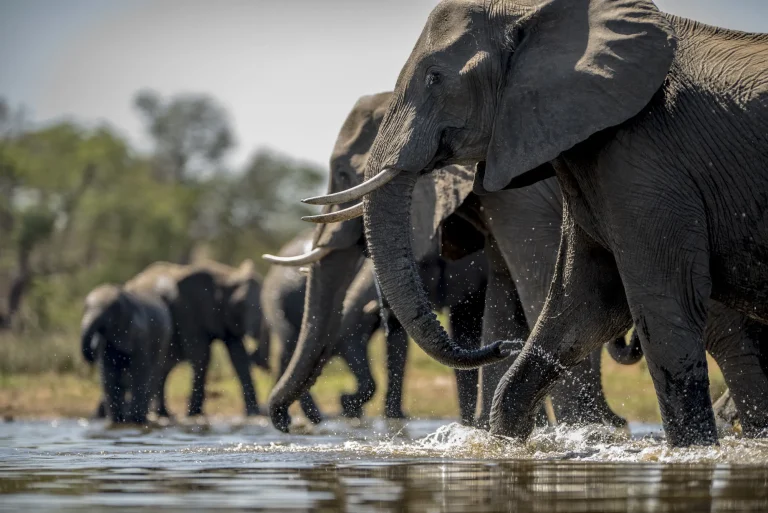
-Ramsar Sites: We have designated Ramsar Sites such as the Okavango Delta (Botswana), the Sudd (South Sudan), and the Nile Delta (Egypt) which are blessed with specialized flora and fauna in these wetlands, including migratory birds, amphibians, and aquatic plants. For Example: The Okavango Delta is home to over 1,500 species of plants and a variety of wildlife, including elephants, hippos, and numerous bird species.
The Crucial Role of Governance in Wetlands Management
Governance refers to the processes and decisions that guide the management of wetlands, involving local communities, governmental institutions, and other stakeholders.
Stakeholders in Governance
Government Bodies, National and local governments responsible for policy-making in our case we have the Environment Management Agency
Local Communities: Indigenous people who rely on wetlands for their livelihoods and traditional practices.
NGOs/International Organizations: Organizations that advocate for conservation, provide funding, and offer technical support, in Zimbabwe we have so many of these including my Organisation ESG Network Zimbabwe.
Current Governance Challenges in Africa
Policy Gaps
Many African countries including Zimbabwe lack strong legislation specific to wetland protection and where there is legislation there is Inconsistent enforcement that leads to degradation.
There is also Lack of integration between wetland governance and other sectors like agriculture and urban development. (Housing developments on wetlands, so many cases in Harare and other parts of Zimbabwe
Corruption and Mismanagement
Corruption can lead to exploitation of wetland resources (e.g., illegal fishing and land grabbing for agricultural expansion and housing developments). Again, in Zimbabwe its rampant across local authorities.
Another big example is In the Niger Delta, West Africa where unregulated oil exploration has devastated local wetlands, leading to environmental harm and community displacement.
Limited Community Involvement
Top-down governance models often exclude local communities from decision-making for example in Zimbabwe many wetland conservation policies do not consider the traditional knowledge and practices of local communities.
The Importance of Youth Involvement
Empowerment of Youth
Young people represent a significant portion of the population in Africa (over 60% under the age of 25) so Engaging youth in environmental initiatives can bring about innovative solutions and sustainable practices. The challenge is upon us, to lobby for policy formulation and inclusion in decision making.
Innovative Ideas
Youth can leverage technology to promote conservation efforts using social media platforms for awareness campaigns. Initiatives like “Youth in Wetlands” can harness their energy and creativity to impact policy advocacy.
Successful Governance Model
Case Study 1: Uganda
Community-Led Conservation: The restoration of wetlands around Lake Victoria through the establishment of (CBOs)community-based organizations. Local fishing cooperatives have managed resources sustainably, leading to improved biodiversity and fish populations.
Strategies for Effective Governance
Towards Better Governance: Solutions and Recommendations
Community Participation
Encourage participatory governance where decisions involve consultations with local communities, recognizing their rights and knowledge.
Education and Awareness
Implement educational programs targeting schools and local communities to raise awareness about the importance of wetlands, Examples: can be Workshops, training sessions, and student-led initiatives focusing on local wetlands.
Collaborative Approaches
Foster partnerships between governments, NGOs, and local communities to promote shared goals, for Example: Collaborative management programs like the African Wetlands Initiative that facilitate cooperation across borders.
Strengthening Policy and Enforcement:
- Translating commitments into action, integrating wetlands into national development plans -Beyond drafting policies, robust enforcement is key.
Capacity Building and Funding:
- Investing in training, technology, and diverse funding streams e.g., Public-private partnerships and innovative financing are crucial.
International Cooperation:
- Leveraging conventions like Ramsar for transboundary wetland management and knowledge sharing.
Promoting Wise Use:
- Balancing conservation with sustainable utilization for socio-economic benefits.
Call to Action
Safeguarding wetlands requires collective effort from governments, communities, and private sectors for a sustainable future for Africa.
Engage Youth
Encourage young participants to become advocates for wetland protection within their communities by Promoting youth clubs or local groups focused on environmental issues.
Leverage and Utilize Technology
Use platforms like Instagram, TikTok, or blogs for youth to share their experiences and mobilize others for wetlands conservation.
Participatory Activities
Organise clean-up days, restoring local wetland areas, or conducting nature walks to foster interest and respect for these vital ecosystems.
Conclusion
Wetlands are important and there is urgent need for effective governance.
Your voice is powerful, and advocating for wetlands conservation can lead to meaningful change. Let be those change makers today!!!!!