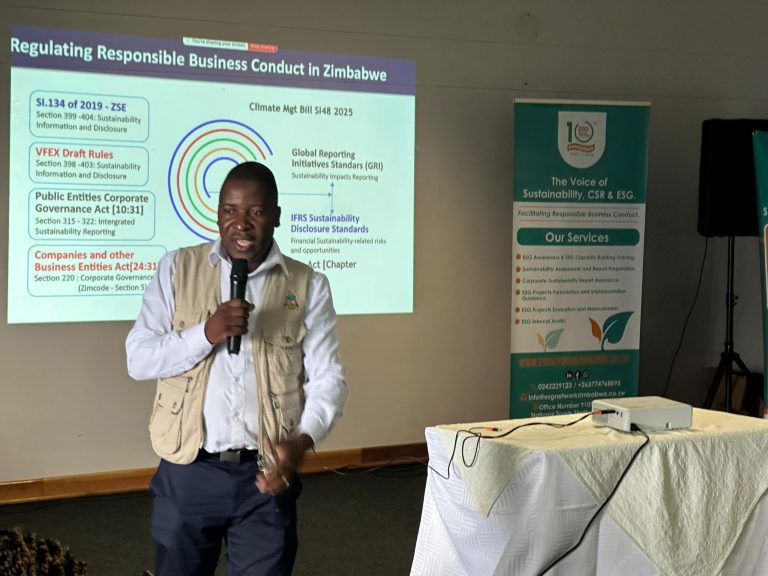


Zimbabwe’s economy is significantly reliant on its mining sector, which contributes over 60% of the country’s export earnings. With an abundance of minerals such as platinum, gold, and diamonds, mining plays a crucial role in driving economic growth. However, this sector also faces intense scrutiny regarding its environmental, social, and governance (ESG) practices. As global awareness of sustainability increases, stakeholders are calling for a more responsible approach to mining that balances economic benefits with social equity and environmental stewardship.
What is ESG?
ESG refers to the three central factors used to measure the sustainability and societal impact of an investment in a company or business. In the context of mining, these factors are essential for ensuring long-term viability and success.
- Environmental: This includes how mining operations affect the land, water, and air quality. Issues like deforestation, water pollution, and carbon emissions are critical concerns that need to be addressed.
- Social: The social aspect focuses on the community impact of mining operations. This includes labor practices, community relations, and the health and safety of workers and nearby populations.
- Governance: Governance pertains to the company’s leadership, executive pay, audits, internal controls, and shareholder rights. Ethical business practices are vital for building trust with stakeholders.
Why is ESG Important in Mining?
- Regulatory Compliance: Governments are increasingly implementing stricter regulations regarding environmental protection and social responsibility. Companies that adhere to ESG practices are better positioned to comply with these regulations and avoid penalties.
- Investor Interest: Institutional investors are now prioritizing ESG factors in their decision-making processes. Companies with strong ESG credentials often attract more investment and enjoy higher valuations.
- Reputation Management: Maintaining a positive public image is crucial in today’s digital age. Companies that demonstrate a commitment to ESG are more likely to gain public trust and maintain good relationships with local communities.
- Risk Mitigation: By addressing ESG issues proactively, mining companies can mitigate risks related to environmental disasters, social unrest, and governance scandals, ultimately protecting their bottom line.
Conclusion As Zimbabwe continues to develop its mining sector, integrating ESG principles is not just a regulatory requirement; it is a pathway to sustainable growth and improved community relations. In the upcoming days, we will delve deeper into the environmental strategies, social responsibilities, and governance practices that can elevate the mining industry in Zimbabwe toward a more sustainable future.
Engage with Us!
We value your thoughts on ESG practices in mining. Share your insights and feedback by getting in touch with us! For more information, reach out at:
- Email: admin@esgnetworkzimbabwe.co.zw
- Contact: 0774 768 895
Stay tuned for Article 2, where we will explore environmental best practices in the mining sector!