
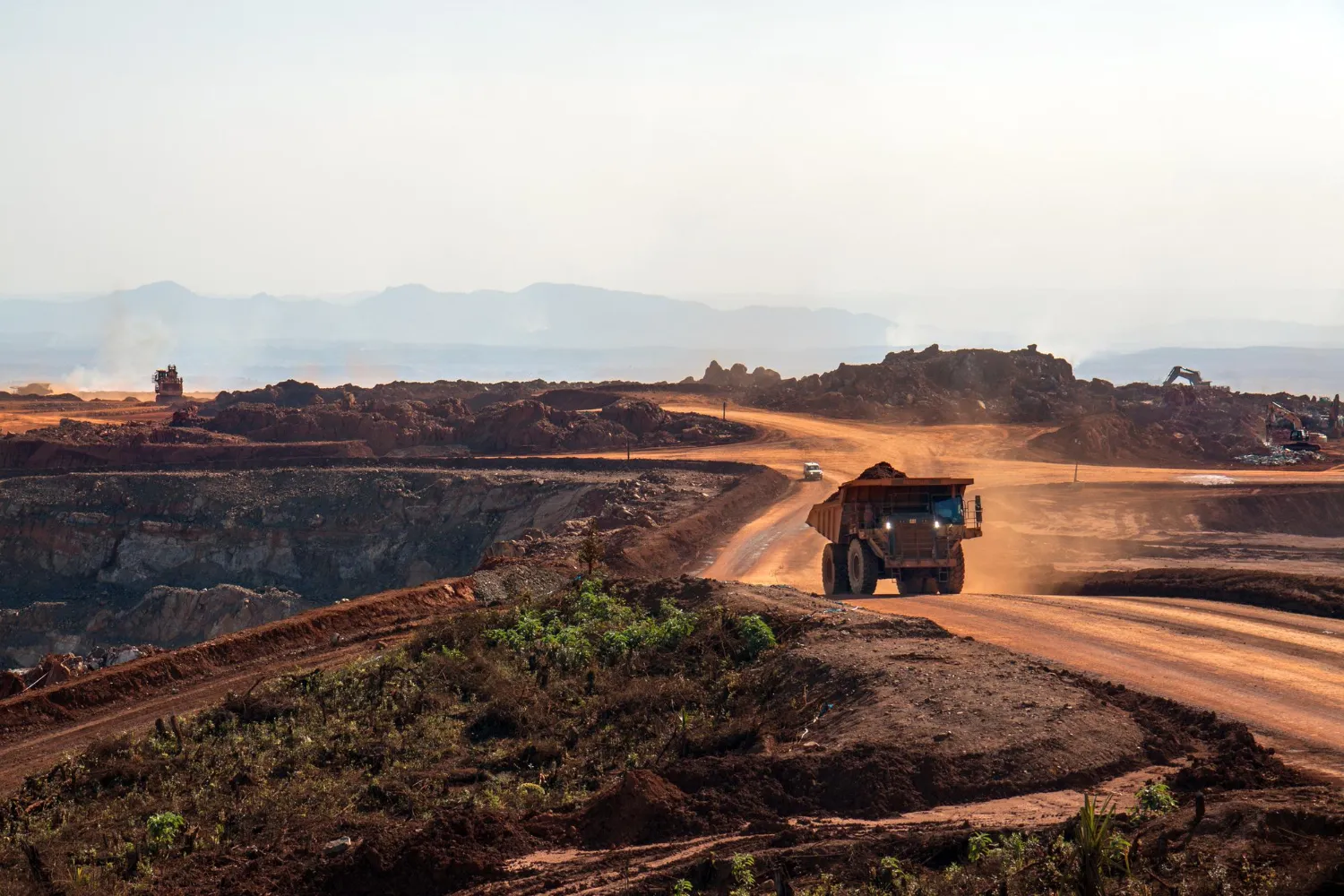
As the mining sector in Zimbabwe continues to grow, addressing environmental impacts is critical for sustainable development. Implementing effective environmental strategies not only complies with regulations but also enhances corporate reputation and fosters community trust. In this edition, we will explore responsible sourcing and extraction, the importance of Environmental Impact Assessments (EIAs), and innovative technologies that are transforming the mining landscape.
Responsible Sourcing and Extraction
- Definition: Responsible sourcing involves obtaining minerals in a way that maximizes benefits while minimizing harm to the environment and local communities.
- Strategies:
- Sustainable Practices: Employing methods that reduce land degradation, such as selective mining and reduced waste output.
- Traceability: Ensuring that minerals are sourced from ethical suppliers who adhere to environmental standards.
Environmental Impact Assessments (EIAs)
- Importance: EIAs are critical for identifying potential environmental risks associated with mining operations before they begin.
- Key Steps:
- Scoping: Identifying key issues and stakeholders.
- Impact Analysis: Assessing the potential environmental impacts on air, water, soil, and biodiversity.
- Mitigation Strategies: Developing plans to minimize identified impacts, such as reforestation and water conservation measures.
- Benefits: Conducting thorough EIAs helps companies avoid costly delays and compliance issues while promoting transparency and community involvement.
Innovative Technologies in Mining
1. Sustainable Resource Management
- Water Conservation Techniques: Mining companies are implementing advanced water management systems, including recycling and rainwater harvesting, to reduce freshwater consumption and minimize waste.
- Efficient Waste Management: Technologies for waste reduction, such as dry stacking for tailings, are being adopted to minimize water usage and prevent contamination of surrounding areas.
2. Renewable Energy Integration
- Solar and Wind Energy: Many mining operations are transitioning to renewable energy sources, such as solar and wind, to power their operations. This shift not only reduces greenhouse gas emissions but also lowers energy costs.
- Hybrid Power Solutions: Combining traditional energy sources with renewables creates hybrid systems that enhance energy resilience and reduce reliance on fossil fuels.
3. Emission Reduction Technologies
- Carbon Capture and Storage (CCS): Innovative CCS technologies are being developed to capture carbon dioxide emissions from mining processes, preventing them from entering the atmosphere.
- Electrification of Equipment: Transitioning to electric vehicles and machinery in mining operations helps reduce emissions and improve air quality.
4. Biodiversity and Ecosystem Protection
- Biodiversity Offsetting: Mining companies are investing in biodiversity offset projects to compensate for ecological impacts. This involves restoring or conserving habitats in other areas to balance environmental loss.
- Reclamation and Rehabilitation: Many companies are adopting progressive rehabilitation practices, ensuring that mined land is restored to its natural state or repurposed for community use after mining activities cease.
5. Innovative Monitoring Technologies
- Remote Sensing: Advanced remote sensing technologies, including drones and satellite imagery, are being used to monitor environmental impacts, track changes in land use, and assess rehabilitation efforts.
- Real-Time Environmental Monitoring: IoT devices and sensors allow for real-time monitoring of air and water quality, enabling companies to respond quickly to potential environmental issues.
6. Circular Economy Practices
- Resource Recovery: Mining companies are exploring ways to recover valuable materials from waste streams, contributing to a circular economy model that reduces the need for new resource extraction.
- Recycling Initiatives: Initiatives to recycle materials used in mining operations, such as water and metals, are gaining traction, further minimizing environmental impact.
Example: Kuvimba Mining House
A key player in Zimbabwe’s mining sector, Kuvimba Mining House (KMH) exemplifies innovation through its adoption of advanced technologies and sustainable practices [1][2]. KMH is committed to environmental preservation and community protection [3][4]. The company integrates data analytics and AI for operational efficiency and employs environmentally friendly extraction techniques [5][6]. Kuvimba is also investing in renewable energy solutions like solar power, with plans to install solar power plants at key gold and chrome mining sites [7][8]. To promote transparency, KMH utilizes a blockchain-based system (Comstack) to track gold from the mine to the market [9][10]. Furthermore, KMH engages with local communities through various initiatives and implements real-time monitoring systems for health and safety [1][2]. Through these efforts, Kuvimba enhances productivity while prioritizing sustainability and community relations [1][2].
Conclusion
Adopting robust environmental strategies is not only essential for compliance but also for fostering a sustainable mining sector in Zimbabwe. As we move forward, integrating these practices will be vital for the longevity and success of mining operations.
Source:
- Sustainability – Kuvimba Mining House
- Kuvimba Gives Kiss Of Life To Zim’s Forgotten Mining Communities | 263Chat
- KMH rolls out environmental sustainability campaign on mining operations
- Kuvimba launches sustainability campaign – NewsDay Zimbabwe
- Kuvimba Mining House Revolutionizes Gold Tracking with State-of-the-Art Technology.
- Kuvimba Mining House Pioneers Blockchain-Based Gold Traceability in Zimbabwe
- Kuvimba Mining House is Turning to Solar to Overcome Zimbabwe’s Power Outages
- Kuvimba turns to solar to overcome power outages – The Southern Eye – NewsDay Zimbabwe
- Kuvimba Mining House Pioneers Blockchain-Based Gold Traceability in Zimbabwe
- Kuvimba Mining House Launches Blockchain-Based Gold Traceability System
Engage with Us!
We would love to hear your thoughts on environmental practices in mining. Share your insights and feedback by getting in touch with us! For more information, reach out at:
- Email: admin@esgnetworkzimbabwe.co.zw
- Contact: 0774 768 895
Stay tuned for Article 3, where we will focus on social responsibility and community engagement in the mining sector!