
VICTORIA FALLS – THE Ninth Zimbabwe Environmental, Social, and Governance (ESG) Leadership and Business Summit 2025 got underway in Victoria Falls this Monday, with the government highlighting efforts to bring order to Zimbabwe’s carbon trading market.
In 2024, Zimbabwe launched a carbon credits registry, followed by the gazetting of Statutory Instrument 48 in May 2025, aimed at regulating the country’s carbon trading activities.
Prior to these interventions, the market was largely operating in the shadows, but the government says this has now changed, with tangible results beginning to emerge.
“Currently, we have managed to register six projects which have been operating in Zimbabwe, implementing carbon credits, and now want to regularise their trade. We also have more than 30 potential new projects coming on board. One of the more advanced projects has already put over two million credits on the market. Under the new framework, the country stands to benefit directly, receiving 30% from each trade,” the Ministry of Environment, Climate and Wildlife’s Chief Director, Mr Washington Zhakata said.
The value of carbon credits fluctuates, typically selling for between US$10 and US$15 per credit.
The ESG Network of Zimbabwe’s Executive Director, Mr Willard Razawo commended the government for taking steps to strengthen sustainability legislation while calling for further harmonisation of related laws.
“Kudos to the government for enacting progressive sustainability laws. As ESG Network Zimbabwe, a national association of companies committed to responsible business conduct, we believe these good laws are too fragmented. We are advocating for a unified national framework that consolidates all sustainability legislation. This will better align with Vision 2030 and Agenda 2063, ensuring inclusive socio-economic development. Harmonising these laws is key to achieving national aspirations,” he said.
The ongoing reforms will also support the establishment of a Loss and Damage Fund, which will be accessible to communities and local or urban authorities whose infrastructure, livestock, or property has been damaged by extreme weather events, a result of the changing climate.
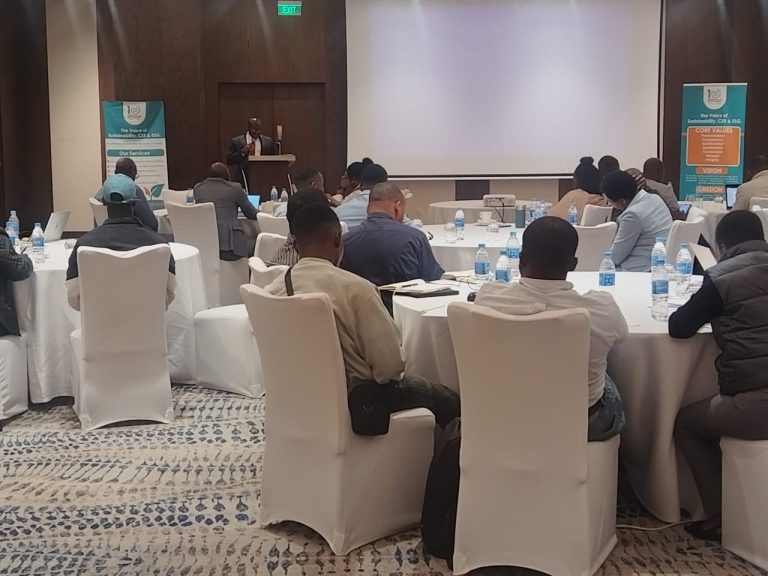
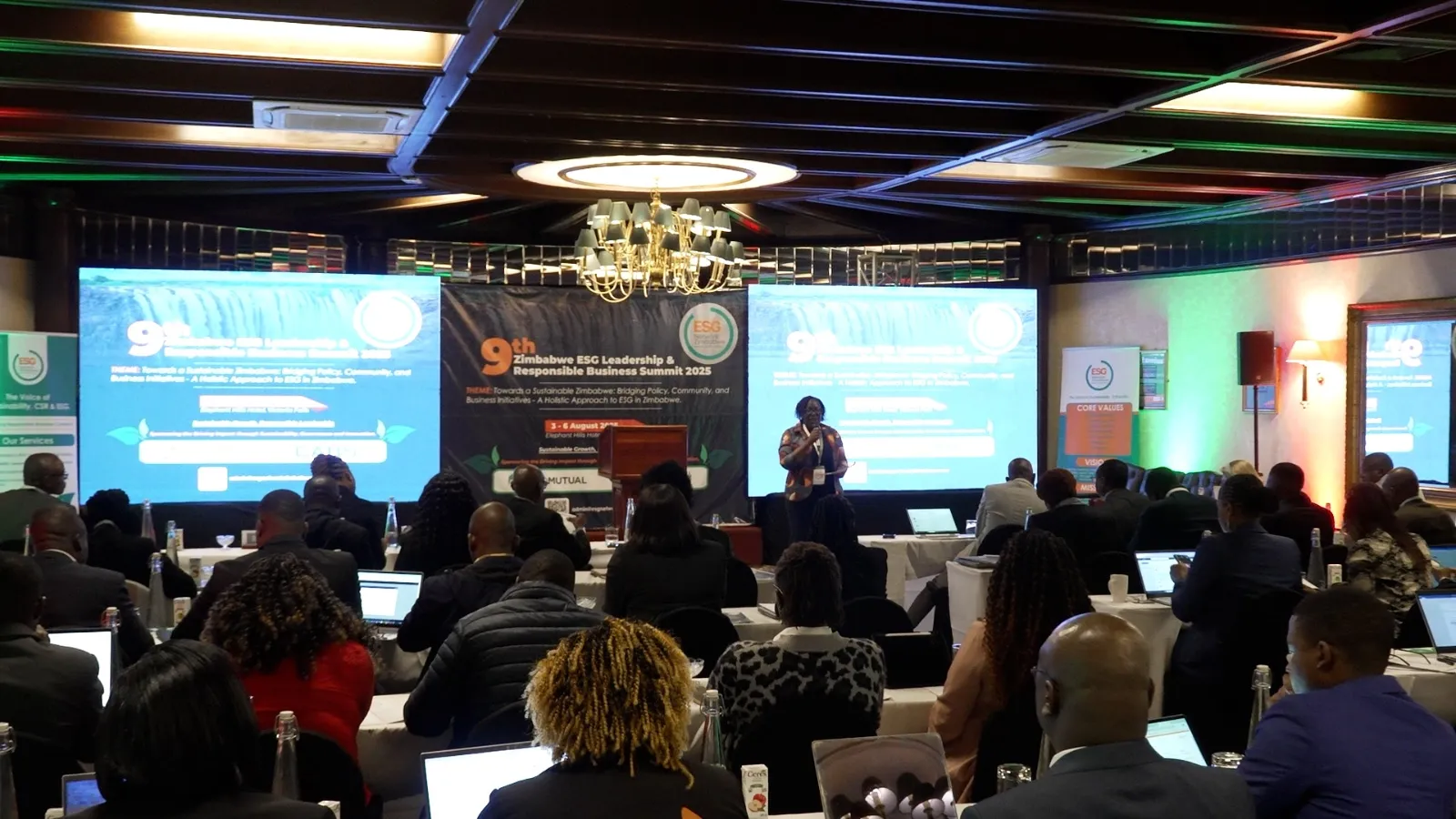
The two-day summit aims to tackle pressing ESG issues, share best practices, and explore innovative solutions, while fostering partnerships across sectors.
Representatives from government, the private sector and academia are attending the conference, which follows the successful hosting of the 15th Conference of the Parties to the Ramsar Convention on Wetlands (COP15), also held in Victoria Falls.