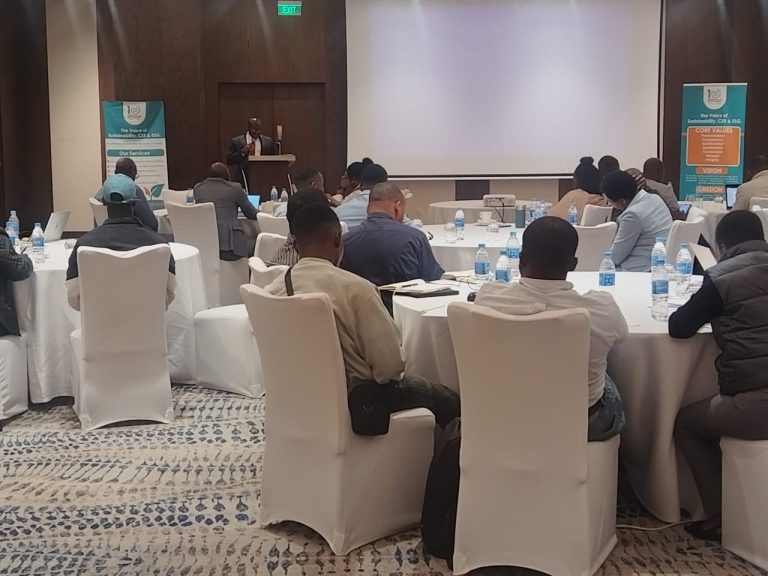


Cultivating Compassion: How Organizations Can Spot the Signals and Build a Culture of Care
Welcome to article 2 of our “Building a Resilient Workforce” series! In article 1, we established that employee well-being is a multi-dimensional strategic imperative. Today, we delve into a crucial next step for any organization: how to recognize the subtle, and sometimes overt, signs of declining well-being, and critically, how to cultivate a workplace culture where employees feel safe and empowered to seek help.
Equipping Your Workforce to Spot the Signals:
Mental health challenges often manifest differently than physical ailments, making them harder to identify without awareness. Organizations must educate their entire workforce, particularly managers, on common indicators of stress, burnout, and declining mental well-being. This awareness is the first step towards timely support.
Key Signs Organizations Should Train Their Teams to Observe (in themselves and others):
- Behavioral Changes: Increased irritability, withdrawal from team activities, noticeable decrease in engagement, or unusual tardiness/absenteeism.
- Performance Shifts: A sudden drop in productivity or quality of work, missed deadlines, difficulty concentrating, or increased errors.
- Emotional Indicators: Persistent sadness, anxiety, unexplained mood swings, or expressions of hopelessness.
- Physical Manifestations: Chronic fatigue, headaches, stomach issues, changes in eating or sleeping patterns (insomnia or oversleeping) that seem stress-related.
- Communication Patterns: Becoming unusually quiet, avoiding interactions, or exhibiting negative or overly critical communication.
Breaking the Silence: The Imperative of Psychological Safety
Beyond observation, the most critical element for any organization is fostering psychological safety. This means creating an environment where employees feel secure in expressing their thoughts, concerns, and vulnerabilities without fear of negative repercussions, judgment, or discrimination.
In many African contexts, including Zimbabwe, cultural norms around stoicism, privacy, and stigma can make discussing mental health particularly challenging. Organizations operating here have an even greater responsibility to actively dismantle these barriers by:
- Normalizing the Conversation: Leadership must consistently speak about mental health as a valid aspect of overall health, dispelling myths and encouraging open dialogue.
- Empathetic Communication Training: Equip managers and team leaders with skills in active listening, empathetic questioning, and non-judgmental response. They don’t need to be therapists, but guides to appropriate support.
- Respecting Cultural Nuances: Understand and incorporate traditional or community-based support systems where appropriate, and ensure communication strategies are culturally sensitive.
Actionable Steps for Organizations:
- Develop Awareness Training: Implement regular workshops or information sessions for all employees, focusing on recognizing signs and understanding mental health first aid principles.
- Train Managers as Front-Line Supporters: Provide specific training for leaders on how to approach difficult conversations with care, maintain confidentiality, and effectively signpost to professional resources.
- Reinforce Confidentiality: Clearly communicate how employees can seek confidential help and ensure privacy is strictly maintained to build trust.
- Promote Open Dialogue: Encourage leaders to share appropriate personal anecdotes (if comfortable) to model vulnerability and reduce stigma.
By actively educating your workforce and intentionally cultivating psychological safety, your organization can move from merely acknowledging well-being to proactively supporting it, empowering every employee to thrive.
Stay tuned for article 3, where we will explore “Tools for Resilience: Practical Resources Organizations Can Implement to Support Well-being.”
Stay Connected
Please contact us at on admin@esgnetworkzimbabwe.co.zw, or simply call us on 0774768895/ +263882900740.
Follow us on social media to stay updated on the latest ESG news, events, and resources.