
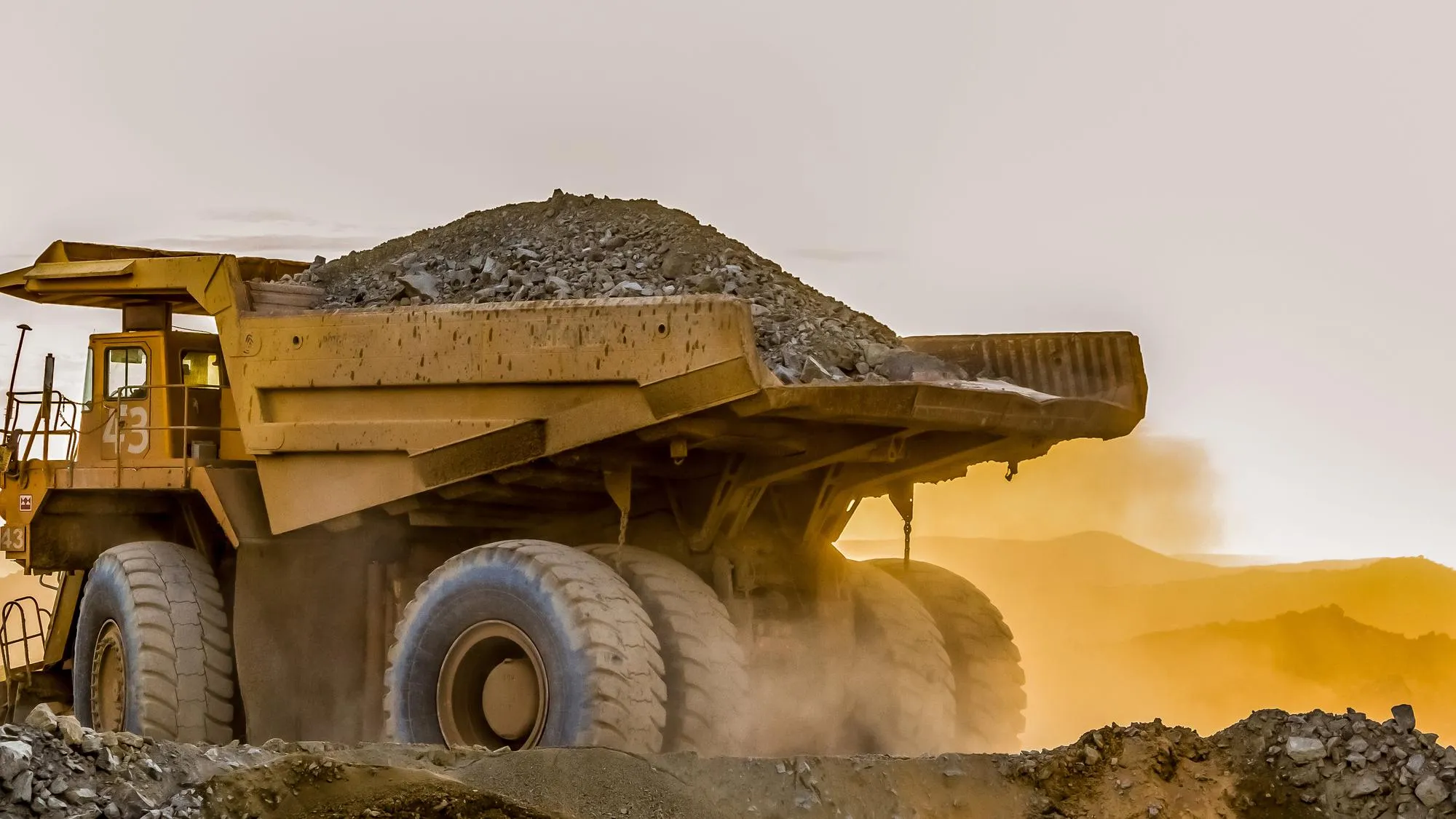
The mining sector remains one of the most significant contributors to economic growth, employment creation, infrastructure development, and foreign currency generation in many countries, including Zimbabwe. However, the industry also faces increasing scrutiny regarding its environmental impact, social responsibility, and governance standards. As a result, Environmental, Social, and Governance (ESG) principles and Global Reporting Initiative (GRI) standards have become essential frameworks for mining companies seeking to operate sustainably and maintain their social licence to operate.
ESG practices provide a structured approach that enables mining companies to measure, manage, and improve their performance beyond financial outcomes. These practices focus on three critical pillars: environmental stewardship, social responsibility, and sound corporate governance. Together, they help organizations identify risks, strengthen stakeholder relationships, enhance operational efficiency, and create long-term value.
From an environmental perspective, mining activities can have significant impacts on land, water resources, biodiversity, and air quality. Implementing ESG practices encourages companies to adopt responsible environmental management systems that minimize ecological damage while promoting resource efficiency. This includes proper waste management, rehabilitation of mined land, reduction of greenhouse gas emissions, water conservation, and the adoption of cleaner technologies. Mining companies that prioritize environmental stewardship not only comply with regulatory requirements but also reduce operational risks and improve their reputation among investors and communities.
The social component of ESG is equally important. Mining operations often take place within or near communities whose livelihoods, health, and wellbeing can be directly affected by mining activities. Through strong ESG frameworks, mining companies are encouraged to engage meaningfully with local communities, respect human rights, promote diversity and inclusion, ensure fair labour practices, and invest in community development initiatives. Effective stakeholder engagement helps build trust, reduces conflicts, and creates mutually beneficial relationships between mining companies and host communities.
Workplace health and safety is another critical aspect of the social pillar. Mining remains one of the world’s most hazardous industries, making employee welfare a top priority. ESG implementation promotes robust occupational health and safety systems that protect workers, reduce accidents, and foster a culture of safety throughout the organization. Companies that invest in employee wellbeing often experience higher productivity, improved morale, and lower operational disruptions.
The governance pillar focuses on transparency, accountability, ethical leadership, and effective decision-making. Strong corporate governance ensures that mining companies operate with integrity, comply with legal and regulatory requirements, and manage risks responsibly. Governance structures that promote transparency and accountability are increasingly important to investors, regulators, and other stakeholders who seek assurance that companies are managing resources responsibly and ethically.
In recent years, investors have become increasingly interested in ESG performance when making investment decisions. Financial institutions and international investors now assess environmental and social risks alongside traditional financial indicators. Mining companies with strong ESG credentials are often better positioned to attract investment, secure financing, and access international markets. Conversely, poor ESG performance can lead to reputational damage, regulatory penalties, community opposition, and reduced investor confidence.
Complementing ESG implementation is the adoption of Global Reporting Initiative (GRI) standards, which provide a globally recognized framework for sustainability reporting. The GRI Standards enable organizations to measure and communicate their environmental, social, and economic impacts in a transparent and consistent manner. For mining companies, GRI reporting offers an opportunity to demonstrate accountability and showcase their commitment to sustainable development.
One of the key benefits of GRI reporting is enhanced transparency. By publicly disclosing sustainability performance, mining companies provide stakeholders with valuable information about their operations, risks, achievements, and future commitments. This transparency strengthens stakeholder confidence and supports informed decision-making by investors, regulators, employees, and communities.
GRI reporting also helps organizations identify material sustainability issues that are most relevant to their operations and stakeholders. Through the reporting process, companies can assess risks and opportunities, establish performance benchmarks, and develop strategies for continuous improvement. The result is a more proactive and data-driven approach to sustainability management.
For mining companies operating in global markets, GRI standards improve comparability and credibility. Since the framework is widely recognized internationally, stakeholders can compare sustainability performance across companies and jurisdictions using a common reporting language. This enhances corporate credibility and strengthens relationships with global investors and business partners.
Furthermore, sustainability reporting supports regulatory compliance and aligns with growing international expectations regarding responsible business conduct. As governments, stock exchanges, and financial institutions increasingly require ESG disclosures, mining companies that already utilize GRI standards are better prepared to meet evolving reporting requirements.
In Africa and other resource-rich regions, the importance of ESG and GRI implementation continues to grow as stakeholders demand greater accountability from extractive industries. Communities increasingly expect mining companies to contribute to local development, create employment opportunities, protect the environment, and operate transparently. ESG frameworks and GRI reporting provide practical tools for meeting these expectations while supporting long-term business sustainability.
Ultimately, the future success of the mining sector will depend not only on the quantity of minerals extracted but also on how responsibly those resources are managed. Mining companies that embrace ESG principles and adopt Global Reporting Initiative standards position themselves as responsible corporate citizens capable of balancing profitability with environmental protection, social development, and good governance. As the global economy transitions toward more sustainable and responsible business models, ESG practices and GRI reporting are no longer optional—they have become essential components of modern mining operations. Organizations that integrate these frameworks into their core strategies will be better equipped to manage risks, attract investment, strengthen stakeholder trust, and contribute meaningfully to sustainable development for generations to come.