
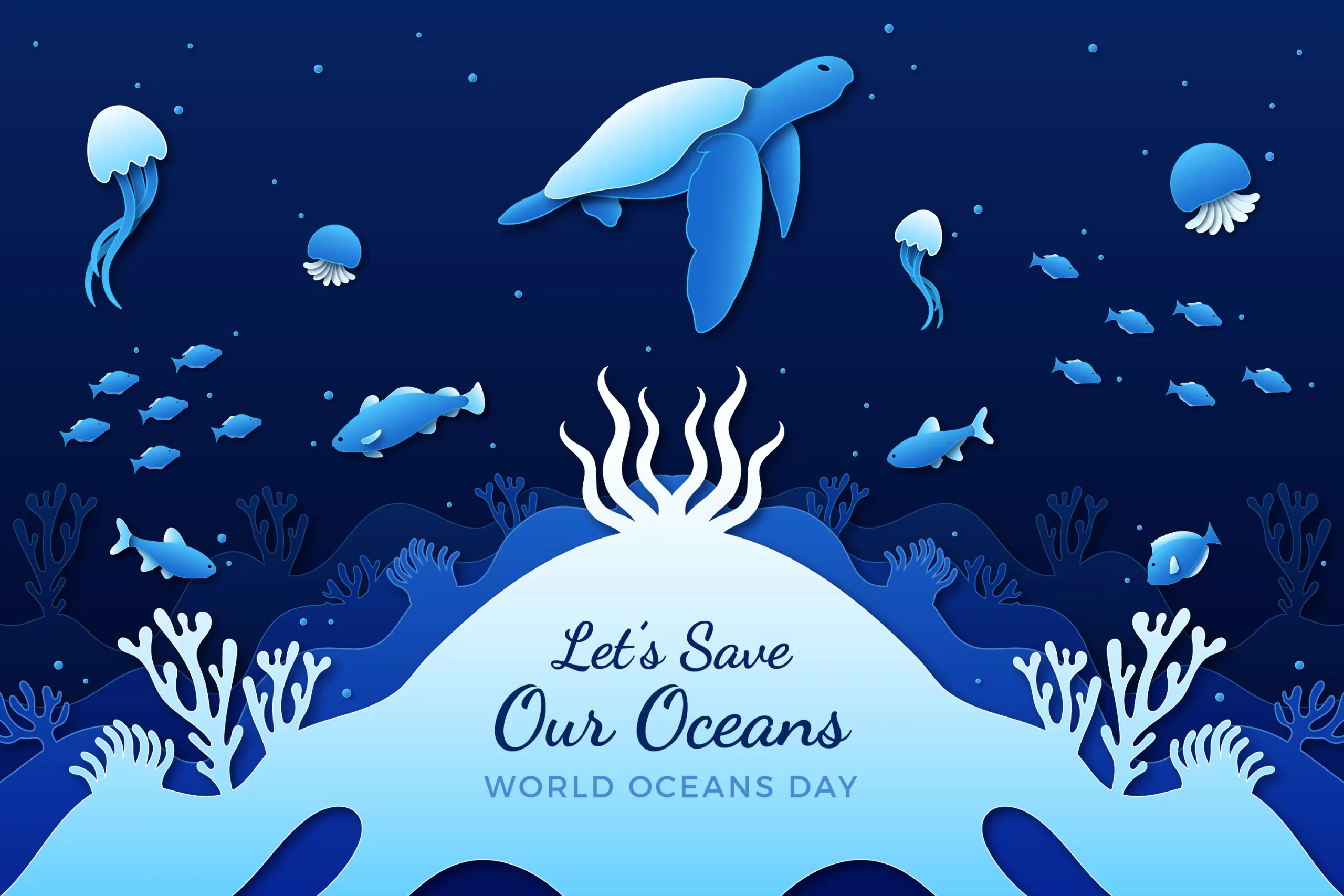
As ESG Network Zimbabwe, we are delighted to share a special bulletin with you, following World Oceans Day 2025, which was observed globally on June 8th. This year’s powerful theme, “Wonder: Sustaining What Sustains Us,” served as a profound reminder that the health of our planet’s oceans is intrinsically linked to the well-being and sustainability of all life, including here in landlocked Zimbabwe.
While Zimbabwe may not have a coastline, our connection to the ocean is both profound and undeniable. Our major river systems—the Zambezi and the Limpopo—ultimately drain into the Indian Ocean. This means that activities happening hundreds of kilometers inland directly impact the marine environment. From industrial discharge to agricultural runoff and plastic waste, our actions have a ripple effect that extends far beyond our borders.
“Wonder: Sustaining What Sustains Us” – Zimbabwe’s Role
The ocean is a vast, awe-inspiring ecosystem that provides over half of the world’s oxygen, regulates our climate, and is a vital source of food and livelihoods for billions. Its “wonder” lies in its incredible biodiversity and its life-sustaining functions. The theme “Sustaining What Sustains Us” is a direct call to action, urging us to protect this vital resource.
For Zimbabwean businesses and communities, this theme encourages us to:
- Recognize our Interconnectedness: Understand that the health of our rivers and freshwater systems directly influences the health of the oceans. Poor waste management or industrial pollution in Harare or Bulawayo can ultimately contribute to ocean degradation.
- Practice Responsible Resource Management: Promote sustainable practices in agriculture, mining, and manufacturing that minimize water pollution and ensure the health of our inland waterways. This links directly to the Water Scarcity & Management discussions we will cover in the following articles.
- Address Plastic Pollution at Source: Plastic waste generated in Zimbabwe, if not properly managed, can travel through river systems and eventually reach the ocean, causing immense harm to marine life and ecosystems. Zimbabwe is actively participating in negotiations for a global plastics treaty, highlighting our commitment to this issue.
- Embrace Sustainable Consumption and Production: As consumers and producers, we have a role to play in reducing our environmental footprint, choosing sustainable products, and minimizing waste, thereby lessening the burden on global ecosystems, including the oceans.
What Can Your Organization Do? An ESG Perspective for a Landlocked Nation
Even without a coastline, Zimbabwean organizations can meaningfully contribute to ocean conservation through their ESG strategies:
Environmental (E):
- Waste Management: Implement robust waste segregation, recycling, and reduction programs, particularly for plastics, within your operations. Explore partnerships with local recycling initiatives.
- Water Quality: Ensure responsible discharge of wastewater, adhering to and exceeding national environmental standards. Invest in water treatment technologies to minimize pollutants entering our rivers.
- Chemical Management: Safely manage and dispose of hazardous chemicals to prevent their leakage into water systems.
- Carbon Footprint Reduction: Mitigate your carbon emissions, as climate change (driven by greenhouse gases) is a major threat leading to ocean acidification and rising sea levels.
Social (S):
- Awareness & Education: Educate your employees and local communities about the link between inland activities and ocean health, fostering a sense of shared responsibility.
- Community Engagement: Support local clean-up initiatives for rivers and dams, which are upstream contributors to ocean health.
Governance (G):
- Policy & Compliance: Establish internal policies that promote environmental stewardship, ensuring strict adherence to Zimbabwean environmental laws and encouraging practices that go beyond mere compliance.
- Supply Chain Due Diligence: Evaluate your supply chain for environmental risks, particularly concerning waste management and water pollution from your suppliers.
- Transparency: Report on your environmental performance, including waste and water management, as part of your ESG disclosures.
A Collective Effort for a Healthier Planet
World Oceans Day serves as a powerful, annual reminder that we are all part of one interconnected planetary system. Our actions, no matter how far from the coast, have consequences for the “Wonder” that sustains us. By integrating responsible environmental practices into our businesses, we not only contribute to a healthier ocean but also build more resilient, reputable, and sustainable organizations here in Zimbabwe.
Let’s continue to reflect on World Oceans Day by reaffirming our commitment to sustaining what sustains us—from our rivers and dams to the vast, vital oceans.
Stay Connected:
Thank you for joining us on this sustainability journey. Stay connected with us for more insights, best practices, and regulatory updates.
Please contact us at on admin@esgnetworkzimbabwe.co.zw, or simply call us on 0774768895/ +263882900740.
Follow us on social media to stay updated on the latest ESG news, events, and resources