
ESG Network Zimbabwe and GRI Africa launch the 2nd Cohort of the Zimbabwe SME Sustainability Programme
HARARE | 25 AUGUST 2026
The sustainability conversation is no longer reserved for large corporates. Zimbabwe’s SMEs are stepping into the room and they are ready to learn, adapt and lead.
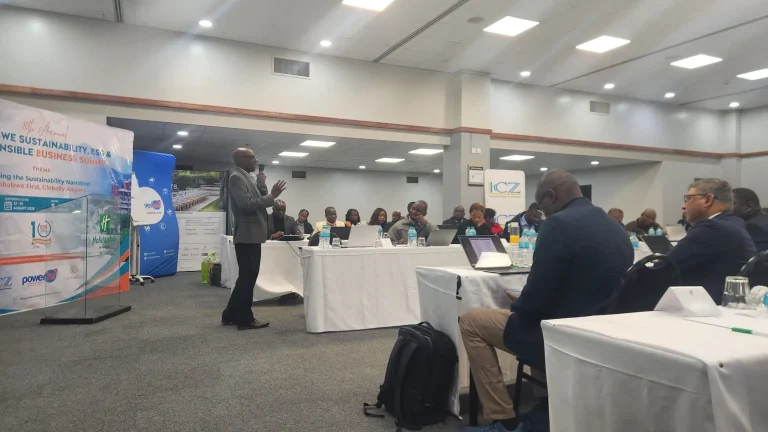
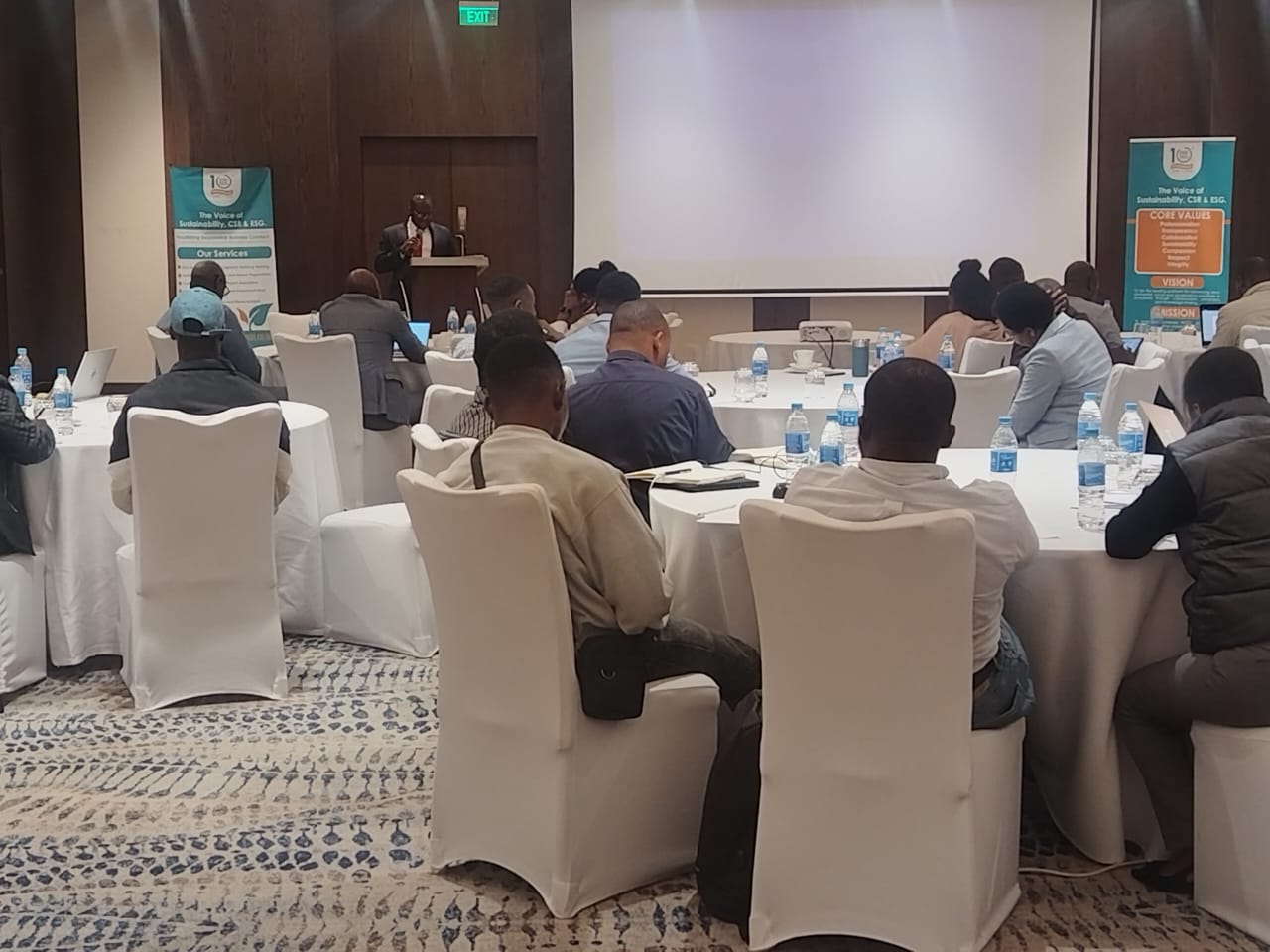
There was a palpable sense of anticipation at the Meikles Hyatt Regency Hotel in Harare on 25 August 2026, as entrepreneurs, business leaders, professionals and academics gathered for the launch of the second cohort of the Zimbabwe SME Sustainability Programme, delivered by ESG Network Zimbabwe in partnership with the Global Reporting Initiative (GRI) Africa.
The strong turnout from both the SME community and academia was perhaps the clearest signal of the day: sustainability is becoming an increasingly important part of Zimbabwe’s business conversation.
And importantly, SMEs want to be part of that conversation.
From buzzword to business imperative
For many years, Environmental, Social and Governance (ESG) was often perceived as a subject for large corporations, multinational companies and listed entities.
That perception is changing.
The new cohort comes at a time when SMEs are facing growing expectations from customers, investors, financiers, business partners and larger companies within supply chains. Increasingly, businesses are expected not only to demonstrate financial performance, but also to understand and communicate how they manage their environmental, social and governance impacts.
For SMEs, this can initially appear daunting.
The Zimbabwe SME Sustainability Programme is designed to help change that narrative by making sustainability practical, accessible and relevant to smaller businesses. ESG Network Zimbabwe and GRI Africa have positioned the programme around building the capacity of SMEs to understand sustainability reporting, manage their impacts and use sustainability information as a business tool rather than simply a compliance requirement.
“Sustainability is not simply about producing a report. It is about building businesses that are resilient, responsible and ready for the future.”
A room full of possibility
The diversity of participants added another important dimension to the programme.
Entrepreneurs and SME representatives shared the room with members of academia, creating a valuable intersection between business practice and knowledge.
This connection matters.
The sustainability challenges facing Zimbabwe require more than individual organisations working in isolation. They require collaboration between businesses, universities, researchers, policymakers, professionals and other stakeholders.
SMEs understand the realities of operating and growing businesses on the ground. Academia, meanwhile, brings research, innovation, evidence and new ideas. Bringing these perspectives together creates opportunities for knowledge exchange and practical solutions that are grounded in Zimbabwe’s own context.
The encouraging participation from academia therefore represents an important opportunity to strengthen the country’s sustainability knowledge ecosystem.
An industry perspective from International Credit Rating
Adding depth to the day’s discussions was Mr Ephraim Chawoneka, Chief Executive Officer of International Credit Rating, who joined the programme as guest speaker.
His participation brought an important business and financial-market perspective to a conversation increasingly linked to enterprise resilience, credibility and access to opportunity.
For SMEs seeking to grow, attract investment, enter new markets or participate in larger corporate supply chains, the ability to demonstrate sound governance and responsible business practices can become an important differentiator.
This is one of the reasons sustainability programmes targeted specifically at SMEs are so important. They help businesses begin preparing today for the expectations of tomorrow.
Why this programme matters
Zimbabwe’s SMEs are central to economic activity, entrepreneurship and employment. Yet many smaller enterprises have limited access to specialised ESG knowledge, reporting expertise and resources.
Capacity-building programmes can help close that gap.
The objective is not to burden SMEs with another layer of administration. Instead, sustainability can become a lens through which businesses identify risks, improve decision-making, strengthen stakeholder relationships, discover efficiencies and identify new opportunities.
A sustainability mindset can influence everything from how a business manages its employees and resources to how it engages suppliers, serves customers, governs itself and prepares for future risks.
As ESG Network Zimbabwe has previously noted, SMEs should not view ESG as something exclusively designed for large companies. It can be a practical component of business resilience and growth.
Learning beyond the classroom
The 25 August gathering was only the beginning.
Participants will continue their sustainability journey through online learning sessions, complemented by additional physical sessions ahead of graduation.
This blended approach is significant because meaningful sustainability capacity cannot be built in a single day.
It requires continued learning, reflection, practical application and engagement.
The programme therefore provides participants with an opportunity to move progressively from understanding ESG, to applying sustainability principles, and ultimately to embedding them within their organisations.
That journey, from awareness to action, is where the real value lies.
Building tomorrow’s responsible businesses
The launch of the second cohort reflects a broader shift taking place in Zimbabwe’s business landscape.
Sustainability is moving from the margins towards the centre of conversations about competitiveness, investment, risk, reputation, resilience and long-term value creation.
GRI’s involvement is particularly significant in helping participants understand how sustainability impacts can be identified and communicated in a structured and credible manner. ESG Network Zimbabwe’s earlier GRI-related training initiatives have similarly focused on practical sustainability disclosure, stakeholder engagement and strengthening organisational capacity.
For the SMEs participating in this cohort, the programme is therefore more than a training opportunity.
It is an invitation to think differently about the future of their businesses.
A new generation of sustainability champions
As the second cohort progresses through its online and physical sessions towards graduation, the hope is that participants will take more than certificates with them.
They will take back ideas, tools, relationships and a renewed understanding of what responsible business can look like.
They can become sustainability champions within their organisations — influencing colleagues, strengthening governance, improving business practices and demonstrating that sustainability is achievable even within the realities and constraints of an SME environment.
The strong turnout at the launch is an encouraging sign.
It tells us that the appetite is there.
It tells us that Zimbabwe’s entrepreneurs are listening.
And it tells us that the country’s sustainability journey will not be driven by large corporations alone.
Zimbabwe’s SMEs have a role to play — and the second cohort of the Zimbabwe SME Sustainability Programme is helping them take that role forward.
ESGNZ | Building Capacity. Advancing Sustainability. Shaping Responsible Business.
The Zimbabwe SME Sustainability Programme is being implemented by ESG Network Zimbabwe in partnership with GRI Africa, with continued online and physical learning sessions leading towards participant graduation.